
Heading to the dog park sounds simple — grab the leash and go.
But if you’ve ever dealt with a scuffle, an overstimulated dog, or realized you forgot water on a hot day, you know it’s worth being prepared.
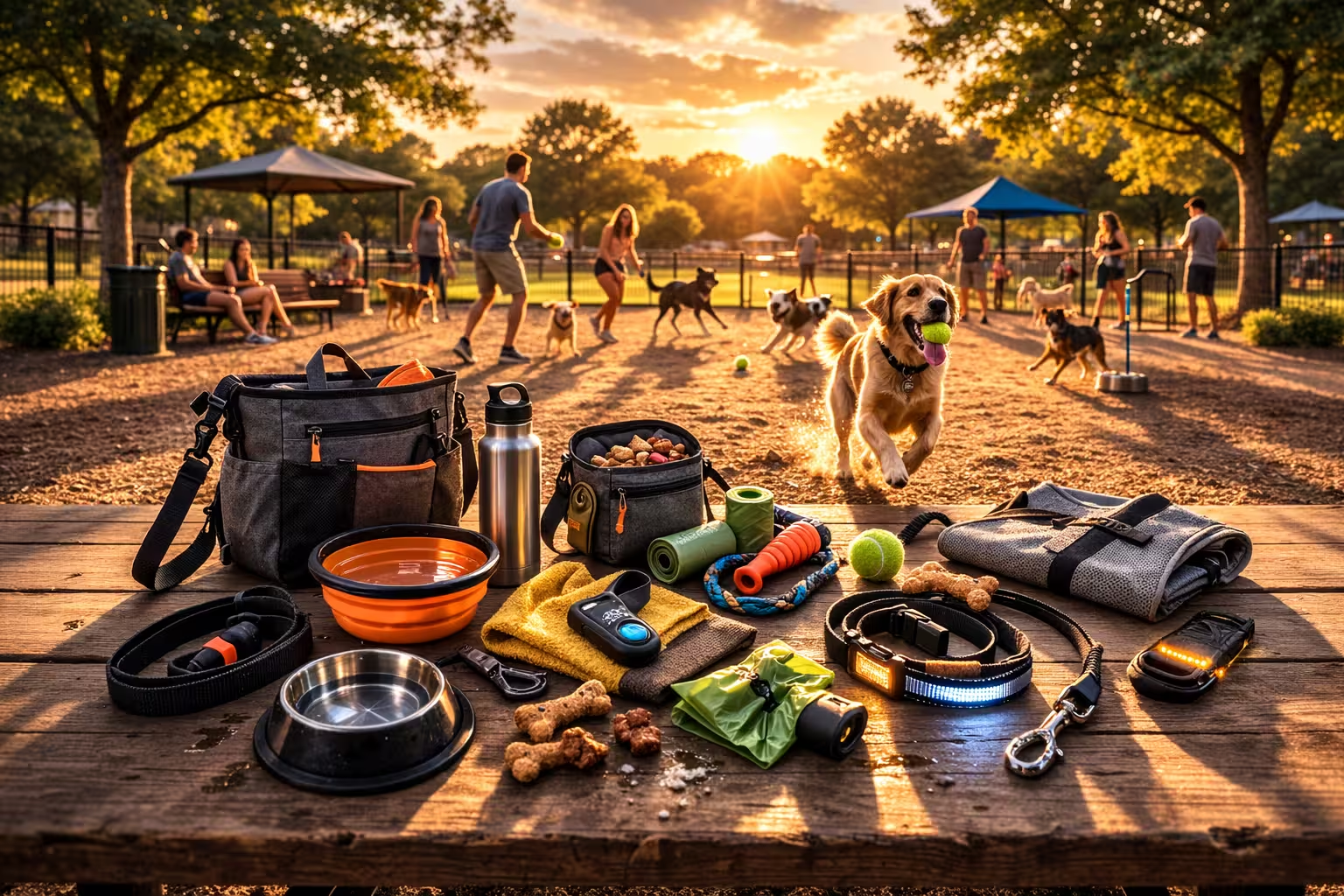
Here’s a practical, real-world checklist of what to bring to the dog park — whether you have a confident social butterfly or a more nervous pup who needs a little extra support.
If your dog tends to get anxious in busy environments, you may also want to read my guide on dog park anxiety and what actually helps.
🐾 Quick Dog Park Packing Checklist
Must-Haves | Helpful Extras | For Nervous Dogs |
|---|---|---|
Leash | Treat Pouch | Calming Treats |
Waste Bags | Long Line | Anxiety Wrap |
Water & Bowl | LED Collar | Cool-down Toy |
ID Tags |
Dog Park Essentials (Don’t Skip These)
1. A Reliable Leash
Even at off-leash parks, you’ll need a leash for:
- Entering and exiting the gate
- Breaking up tense situations
- Leaving quickly if needed
I always recommend a sturdy 4–6 ft leash with a comfortable grip. Retractable leashes aren’t ideal in high-energy environments.
Read: Best Leashes For Dog Parks
2. Waste Bags (More Than You Think You’ll Need)
Even if your dog “usually” only goes once, bring extras.
It’s also good etiquette to help out if someone else runs out. Dog park communities notice responsible owners.
3. Water & a Portable Bowl
Not all parks have working fountains. And even when they do, shared water bowls can spread illness.
A collapsible silicone bowl or portable bottle keeps your dog hydrated and avoids unnecessary risks.
4. Updated ID Tags
This one’s overlooked.
Even in fenced parks, dogs slip out gates when people enter or exit. Make sure:
- Collar fits properly
- Tags are readable
- Microchip info is updated
It only takes one distracted second.
Safety & Control Gear (For Smarter Park Visits)
These items aren’t mandatory — but they make life much easier.
5. Treat Pouch
Having quick access to high-value treats helps you:
- Reinforce good recall
- Redirect tension
- Reward calm behavior
It’s especially useful if you’re working on training or socialization.
6. Long Training Line (For Dogs Working on Recall)
If your dog isn’t 100% reliable off-leash yet, a long line (15–30 ft) can be a safer transition tool in quieter park areas.
It gives freedom without full risk.
7. LED Collar (For Evening Visits)
If you visit after work during fall or winter, visibility drops fast.
An LED collar makes your dog easier to see and reduces collision risks with other dogs.
For Nervous, Reactive, or Easily Overstimulated Dogs
Dog parks can be intense. Not every dog thrives in that environment.
If your dog tends to get anxious, overstimulated, or reactive, bringing support tools can make a big difference.
8. Calming Treats or Chews
Some dogs benefit from mild calming supplements before high-energy outings.
These aren’t sedatives — they’re meant to take the edge off, especially for dogs prone to stress.
9. Compression Shirt (Like a Dog Anxiety Wrap)
Compression shirts apply gentle pressure that can help some dogs feel more secure in stimulating environments.
They’re especially useful for dogs who struggle with loud barking or chaotic play.
10. Post-Park Cooldown Tools
After the park, some dogs struggle to “turn off.”
Things that can help:
- Lick mats
- Snuffle mats
- Puzzle toys
- Calming diffusers at home
If you’ve read my review of the TheraPet diffuser, you know I like having a calm-down routine after overstimulating outings.
Comfort Extras (Optional, But Worth It)
These aren’t required — but they make life easier.
11. Cooling Vest (Hot Weather)
Dogs overheat faster than we think. A cooling vest can help regulate body temperature during summer park visits. I also like these for hikes with my dog when it’s hot.
12. Towel & Car Seat Protector
Mud happens.
Water bowls spill.
Dogs roll in mystery things.
Keep a towel in the car and consider a washable seat cover if you visit often.
Quick Comparison: Which Items Matter Most?
| Situation | Bring This |
|---|---|
| Hot weather | Cooling vest + water |
| Nervous dog | Calming chews + wrap |
| Training recall | Long line + treat pouch |
| Evening visits | LED collar |
A Quick Word on Dog Park Readiness
Gear won’t fix poor socialization or unsafe behavior.
If your dog shows:
- Aggression
- Fear biting
- Extreme anxiety
- Zero recall
It may be worth working on training first before regular dog park visits.
I’ve written more about that here: How to tell if the dog park is stressing out your dog
Final Thoughts
If you’re building a calmer, safer dog park routine, start with the essentials — then add support tools based on your dog’s personality.
Dog parks can be amazing spaces for exercise and socialization — but they’re unpredictable environments.
Being prepared doesn’t mean overpacking.
It just means setting your dog (and yourself) up for a safer, calmer experience.
If you have something you always bring that I didn’t mention, I’d love to hear it.
Comments