
Dog parks can be a great place for dogs to burn energy, socialize, and play — but the wrong toy can turn a fun visit into a stressful situation fast.
Some toys trigger resource guarding, chasing conflicts, or competition between dogs, especially in busy parks where multiple dogs want the same thing.
The good news is that certain toys are much safer for group environments than others.
Below are some of the best dog park toys that encourage healthy play without starting fights.
Some links below may be affiliate links. I only recommend products I’d feel comfortable using with my own dogs.
Quick Picks: Safe Dog Park Toys
| Toy Type | Best For | Why It’s Safe |
|---|---|---|
| Rubber Fetch Balls | High-energy dogs | Encourages running instead of guarding |
| Chuckit Launchers | Long-distance play | Reduces competition (Overall Winner – Get One Here) |
| Rope Tug Toys | Cooperative play | Good for known dogs |
| Floating Toys | Water parks | Encourages swimming |
| Rubber Chew Toys | Break time | Keeps dogs occupied |
What Makes a Dog Park Toy Safe?
Before diving into specific toys, it helps to understand what actually makes a toy dog-park friendly.
The safest dog park toys usually:
- Encourage shared play (like fetch)
- Are easy to throw or retrieve
- Aren’t high-value chew items
- Don’t trigger resource guarding
- Are durable enough for rough play
Toys that tend to cause the most problems are long-lasting chews, food-filled toys, and anything dogs want to guard.
Now let’s look at the types of toys that typically work best.
1. Durable Fetch Balls
Fetch toys are usually the safest option at the dog park because they create movement and distance between dogs instead of competition.
A durable rubber ball is ideal because it:
- Encourages running instead of guarding
- Is easy for dogs to drop and chase
- Can be used by multiple dogs during play
Standard tennis balls work, but heavy chewers often destroy them quickly.
👉 Recommended: Tennis Ball for Aggressive Chewers
These are tougher, bounce better, and are safer for teeth than standard tennis balls.
2. Chuckit Balls & Launchers
If you’ve spent time at dog parks, you’ve probably seen the classic Chuckit launcher.
These toys are extremely popular because they:
- Throw balls much farther
- Reduce slobber on your hands
- Encourage long-distance running
Most dogs love the high-speed chase, which helps burn energy quickly.
👉 Recommended: Chuckit! Ultra Dog Ball & Launcher Bundle
They’re durable and made specifically for dogs that love fetch.
⭐⭐⭐⭐⭐ WINNER: Best Overall Dog Park Toy ⭐⭐⭐⭐⭐
3. Rope Tug Toys (For Supervised Play)
Tug toys can work well if used responsibly, especially when dogs already know each other.
A good rope toy can:
- Encourage cooperative play
- Burn energy
- Provide mental stimulation
However, tug toys should always be supervised in dog parks because some dogs can become possessive.
👉 Recommended: SHARLOVY Large Tough Chew Toys for Aggressive Chewers
Choose thicker rope toys that hold up to strong pulling.
4. Tough Rubber Chew Toys (For Break Time)
While long-lasting chew toys shouldn’t be used during active group play, they can be useful during calm moments at the park.
For example:
- When your dog needs a break
- When sitting near you after play
- When practicing calm behavior
Rubber chew toys are usually safer than softer toys that can be destroyed.
👉 Recommended: Monster K9 Indestructible Dog Ball
These hold up well and keep dogs occupied.
5. Floating Toys for Water Areas
If your dog park has a pond, lake, or splash area, floating toys can add another layer of fun.
Water toys encourage:
- swimming
- chasing
- retrieving
They also help cool dogs down during warmer months.
👉 Recommended: Nobleza Dog Flying Disc
These are lightweight and easy for dogs to grab in the water.
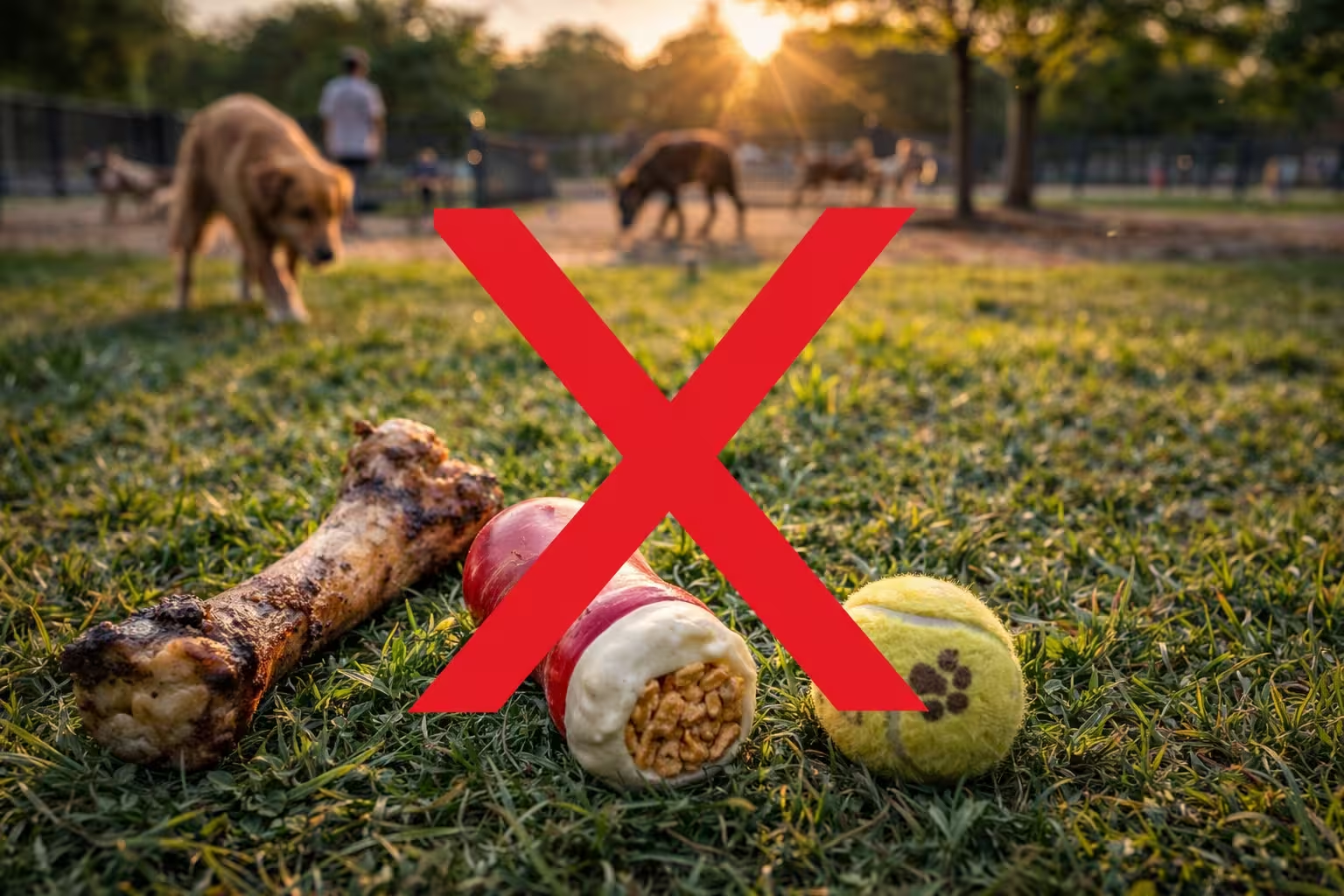
Toys You Should Avoid Bringing to the Dog Park
Not every toy belongs in a crowded dog park.
Some toys almost always cause problems.
Avoid bringing:
High-value chews
- bully sticks
- bones
- antlers
Food-stuffed toys
- peanut butter toys
- treat puzzles
Small squeaky toys
These tend to trigger resource guarding or aggressive behavior.
If you bring toys to a dog park, always be prepared to remove them if play gets tense.
Tips for Bringing Toys to the Dog Park
Even safe toys can cause issues if dogs become overly excited.
A few simple rules help keep things calm:
- Bring multiple toys, not just one
- Watch for signs of guarding
- Remove toys if dogs begin hovering over them
- Avoid toys during peak hours if the park is crowded
Many experienced dog park visitors actually leave toys in the car and only bring them out when the park is quieter.
Final Thoughts
Dog parks can be amazing places for exercise and socialization, but bringing the wrong toy can easily create tension between dogs.
The safest toys tend to be:
- Fetch balls
- Chuckit launchers
- Durable rope toys
- Tough rubber toys
When in doubt, choose toys that encourage movement and shared play instead of possession.
If you’re also planning your next park visit, you might want to check out our full guide here:
👉 What to Bring to the Dog Park (Safety & Comfort Checklist)
That article covers the gear most dog owners forget — including water, safety tools, and training items that can make park visits much smoother.
FAQ: Dog Park Toys
Are toys allowed at dog parks?
Some parks allow toys, but many discourage high-value toys that trigger guarding. Always watch how dogs react and remove toys if tension appears.
Why do toys cause fights at dog parks?
Some dogs guard toys as resources. If multiple dogs compete for the same toy, it can escalate quickly.
Should I bring toys to the dog park?
Fetch toys and neutral toys are usually fine, but avoid food-based or chew toys.
What toys cause the most dog park fights?
Bones, bully sticks, food toys, and squeaky toys often trigger guarding behavior.
Comments