
If your dog cries, scratches the door, destroys furniture, or panics the moment you leave — you’re not dealing with “bad behavior.”
You’re likely dealing with separation anxiety.
The good news?
With a structured training plan, most dogs improve significantly.
This guide walks you through a realistic, step-by-step dog separation anxiety training plan that focuses on reducing panic — not punishing it.
If you’re not sure whether your dog’s behavior is anxiety or something else, start with our guide to common signs of dog anxiety.
What Is Dog Separation Anxiety?
Separation anxiety is a panic response that happens when a dog is left alone or separated from a specific person.
It’s not boredom.
It’s not stubbornness.
It’s fear.
Dogs with true separation anxiety often:
- Cry or howl immediately after you leave
- Scratch doors or windows
- Attempt escape
- Destroy furniture near exits
- Pace excessively
- Refuse food when alone
Understanding that this is panic — not defiance — changes how you approach training.
Quick Summary:
- Confirm it’s separation anxiety
- Start with micro-departures
- Increase time gradually
- Avoid panic episodes
- Pair training with supportive tools if needed
Step 1: Confirm It’s Separation Anxiety (Not Boredom)
Before starting training, make sure you’re treating the right issue.
Likely Separation Anxiety:
- Behavior starts within minutes of leaving
- Destruction is focused near doors/windows
- Dog cannot settle at all
Likely Boredom:
- Behavior happens later
- Random chewing
- Dog eventually naps
If you’re unsure, set up a camera and observe what happens after you leave.
Step 2: Stop Accidental Reinforcement
Many owners unknowingly increase anxiety by:
- Making departures emotional
- Reassuring excessively
- Sneaking out inconsistently
Instead:
- Keep departures calm and neutral
- Avoid dramatic goodbyes
- Return quietly
We’re trying to reduce emotional spikes.
Step 3: The Gradual Departure Training Method
This is the core of any separation anxiety dog training plan.
The goal is to teach your dog that you leaving does NOT predict panic.
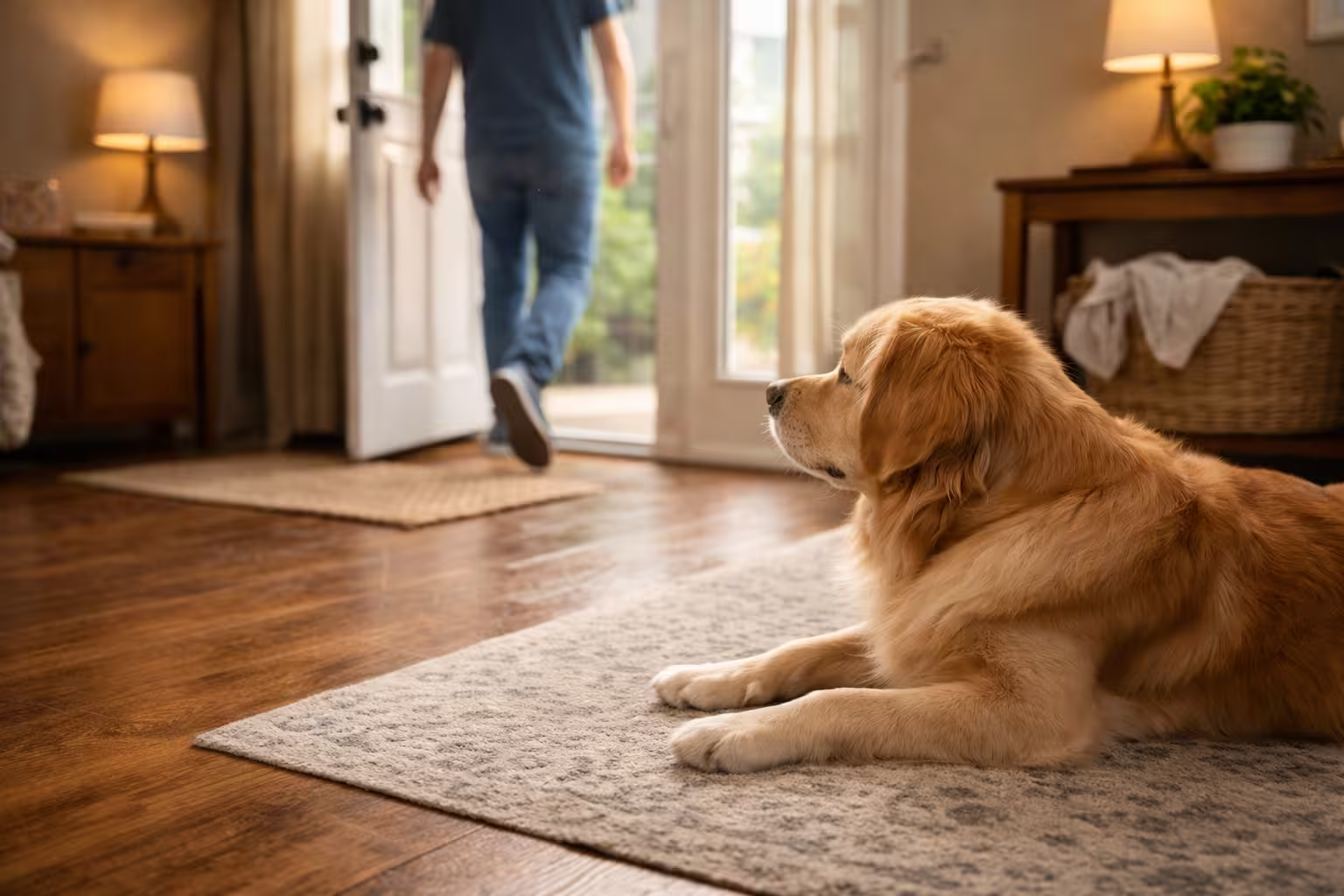
Phase 1: Practice Micro-Departures
- Put on your shoes.
- Grab your keys.
- Walk to the door.
- Sit back down.
Repeat until these “departure cues” no longer trigger stress.
Phase 2: Leave for 5–10 Seconds
- Step outside.
- Return before your dog escalates.
- Stay calm.
Repeat multiple times per day.
If your dog panics, the duration was too long.
Training works only below the panic threshold.
Phase 3: Gradually Increase Time
Increase duration slowly:
10 seconds → 30 seconds → 1 minute → 3 minutes → 5 minutes → 10 minutes.
Move forward only if your dog remains calm.
This may take weeks. That’s normal.
Step 4: Build Independent Confidence
Separation anxiety training isn’t just about departures.
It’s about helping your dog feel secure independently.
Start by:
- Encouraging your dog to relax on a mat across the room
- Rewarding calm behavior
- Teaching a “settle” command
- Avoiding constant shadowing
Small independence builds resilience.
Step 5: Use Management to Prevent Full Panic Episodes
Every full panic episode sets training back.
Until your dog improves:
- Avoid long absences
- Ask for help from friends or family
- Use dog daycare selectively
- Consider short-term management tools
Calming tools like pheromone diffusers or anxiety vests may help reduce baseline stress — but they are support tools, not cures.
👉Best Calming Products For Dogs That Actually Work
Step 6: When to Add Calming Products
For moderate separation anxiety, pairing training with calming products can help.
Common supportive tools include:
- Pheromone diffusers
- Anxiety vests
- L-theanine supplements
These may lower overall anxiety levels enough for training to be more effective.
If your dog injures themselves trying to escape, speak to a veterinarian about medical support options.
Medication is sometimes part of a comprehensive plan.
For a breakdown of which calming tools work best for separation anxiety specifically, see our see our guide to the best calming products for dogs that actually work.
Common Mistakes in Separation Anxiety Training
Avoid these:
- Punishing destruction
- Letting your dog “cry it out”
- Increasing departure time too quickly
- Skipping gradual steps
- Relying only on products
Separation anxiety improves with patience and consistency — not force.
How Long Does Separation Anxiety Training Take?
Mild cases may improve within weeks.
Moderate to severe cases can take months.
The key factors are:
- Consistency
- Avoiding panic episodes
- Slow progression
- Calm routines
Improvement is rarely linear. Expect small setbacks.
When to Talk to a Vet or Trainer
Seek professional help if:
- Your dog self-injures
- Panic is extreme
- Aggression escalates
- Training shows no progress after consistent effort
A certified trainer or veterinary behaviorist can accelerate improvement.
Final Thoughts
Dog separation anxiety can feel overwhelming — but it’s treatable.
The goal isn’t to eliminate attachment.
It’s to teach your dog that being alone is safe.
With a structured training plan, gradual exposure, and supportive tools when necessary, most dogs make meaningful progress.
FAQ Section
How do you train a dog with separation anxiety?
Use gradual departure training, increase time slowly, and avoid triggering full panic episodes.
Can separation anxiety in dogs be cured?
Many dogs improve significantly with structured training. Severe cases may require veterinary support.
Do calming products fix separation anxiety?
No. They may reduce baseline stress but must be paired with training.
Comments