
Lesesne State Forest - Roseland, VA
Lesesne State Forest Dog-Friendly Guide
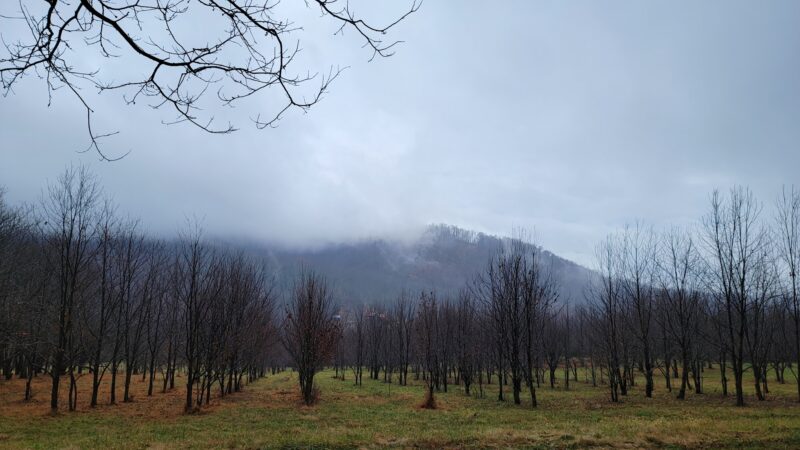
Discover Lesesne State Forest, a hidden gem for dog owners seeking pet-friendly trails and natural beauty near Roseland, Virginia. This state forest is renowned for its deep connection to local conservation, especially the American Chestnut breeding program, and offers an authentic Piney River hiking experience. Trails like John’s Rest and Entry Run provide streams, rolling elevation, and plenty of opportunities for you and your leashed dog to explore the rugged terrain together.
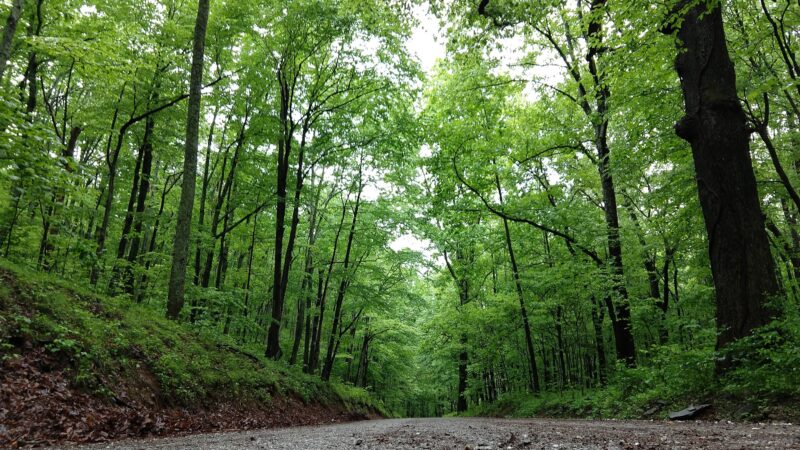
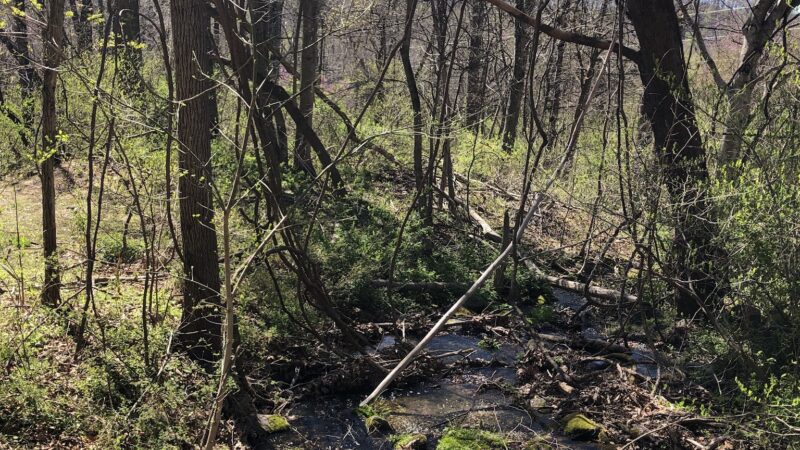
Lesesne State Forest is celebrated for its wilderness character, making it ideal for adventurous dog owners who appreciate quiet, challenging walks in nature. You’ll encounter streams, rocky paths, and incline hikes through dense, shaded woods. Parking is rustic—best suited for those prepared to park alongside a rocky trailhead—and there are no formal amenities like fenced dog areas or water fountains. Dress for variable conditions and bring your own supplies for a rewarding day on some of Roseland’s most dog-friendly hiking trails.
Frequently Asked Questions
- Are dogs allowed off-leash at this park? No, dogs should remain leashed as this is a public forest without designated off-leash dog areas.
- Are there walking or hiking trails connected to the park? Yes, Lesesne State Forest features several hiking trails, with options that connect to the Appalachian Trail and Shenandoah National Park.
- Is there shade or shelter available? Yes, the trails are heavily shaded by forest canopy, offering cool relief during warm months.
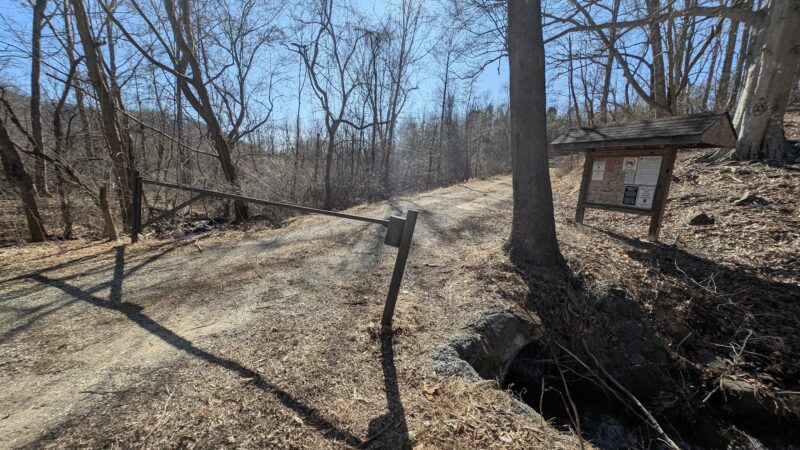
- Is there parking available? Yes, but parking is limited, unpaved, and can be uneven or rocky. There is a larger unofficial parking area about 500 feet before the main trailhead.
- Is the park muddy after it rains? Yes, trails can be muddy and slippery after rainfall, so proper footwear is recommended.
- Are there restrooms available? Primitive bathrooms are available at the trailhead.
- Are there other dog parks or trails nearby? Yes, Lesesne connects to additional hiking in Shenandoah National Park and the Appalachian Trail for extended adventures.
Reviews

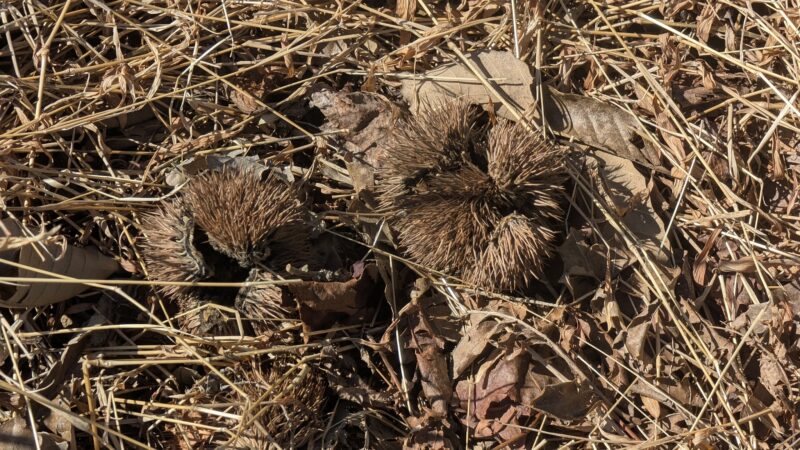
I fell in love with this place in one visit. It’s a mixture of clinical scientific laboratory and raw, braying nature. One element that makes it worth the visit is the deep dive into the botanical, naturalist, and human understanding of the American Chestnut. There is a living, growing experiment that you can examine where American Chestnuts and Chinese Chestnuts are being bred generationally so that American Chestnuts can gain the resistance to a blight that has wiped out the Chestnut here. If what I said makes no sense, just read the signs. Parking is loose and rough. There will be mud, water, thorns, and stones. Most of the walk on one path is inclined upward. It’s worth the climb, just follow the CHestnut lab. Ten people could park beside the trailhead awkwardly. The Cub Creek runs along the main path, and the prescribed trail is a beautiful trail. If, like me, you are interested in how to define a path and its borders, this is a wonderful study. The paths are wonderfully broken, dancing, and obscured in places. Look for signs of horses, humans, or deer to find it again. Have your phone, unless you are okay with getting lost or disoriented. Brambles, tramples, and thorns will teach you the path. Bring boots or defiant shoes, as they’ll get wet and scratched. If you dive into the Chestnuts lab, you’ll follow an upward trail to a pretty wild ridge that has charred remains of fires, grassy fields, mountain sage, and many large stones. This forest is full of fun surprises. There are many thorns along the path. Dress for battle, not leisure. When you come to the quiet point on the side of the hill where the mountains surround you, sing to the wind. No one will hear you but you.
5 stars
In the annals of American chestnut history, Lesene is a monumental landmark. It was here that Gary Griffin conducted his legendary grafting and inoculation experiments using scionwood from Large Surviving Americans treated with Fast Italian White (hypovirus infected) strains of Cryphonectria parasitica. Some of those trees are still alive and growing. And it was here that thousands of progeny from the very best of Arthur Graves’ hybrids were planted.
5 stars